Back in 2016, K3,500 could often get you a three-bedroom house in Chalala with a wall fence, backyard and enough breathing room to feel settled. Fast forward to 2026, and that same amount may barely cover a modest one-bedroom flat in parts of Lusaka. What once felt like a realistic housing budget now feels closer to survival math.
Owning vs. Renting
Owning a home has become harder to imagine. From lengthy land acquisition procedures to pricy building materials and red tape when it comes to getting a mortgage, the cost of owning a house remains unattainable for the average Zambian. Those who manage to build homes through long-term incremental construction naturally want returns on that investment, and tenants are the ones who absorb the cost. Renting is far from easy, as it has been turned into a constant negotiation with homeowners and inevitably rising costs. Renting remains the dominant form of housing for many urban residents in cities like Lusaka, Ndola and Kitwe, with the majority of the population in these areas being low to middle-income earners. This puts into perspective just how lucrative having tenants actually is and how much people spend on rent.
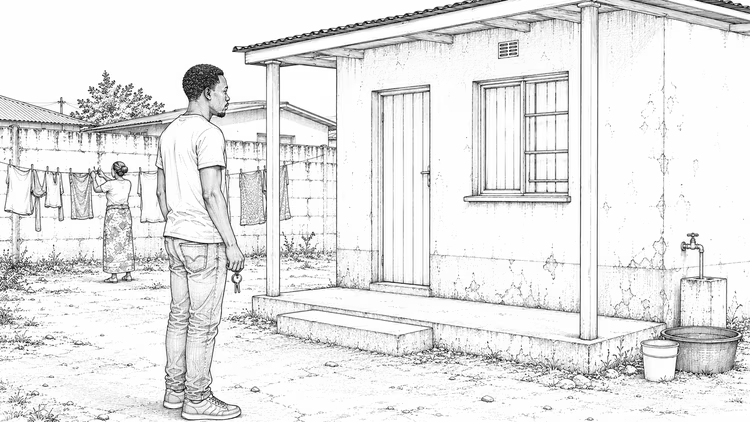
Real Cost of Living in Different Parts of Lusaka
Lusaka West
Distances from the Lusaka CBD range from 13km to 50km, and commutes can exceed 40–50 minutes depending on traffic. The area is still developing, with cheaper plots available but with limited infrastructure. Rent is also relatively lower than in other areas in Lusaka, but what you save in rental costs will be paid in long work commutes or higher fuel consumption to cater for the longer trips. One must also prepare for the dusty gravel roads; these are inevitable.

Ibex Hill
Established and upscale residential suburb less than 20km from the CBD. It is known for its secure environment, spacious properties and strategic location. It has a mix of modern villas, apartments, and family homes, ideal for families, professionals and retirees. Higher-end rentals in the area can easily exceed K15.000, and ownership is for those with deep pockets. It comes at a steep cost, but many residents consider the convenience and security worthwhile.
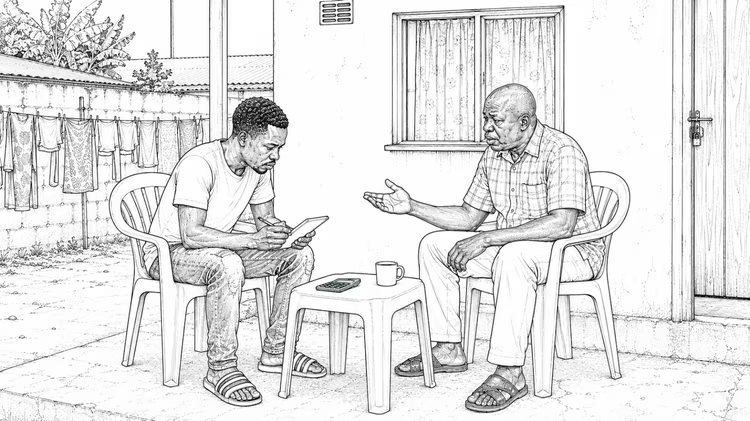
Chongwe
Lower-cost rentals can still be found in some parts of Chongwe for small houses and medium to high-end houses; the commute is long and is an inherent drawback. Saving on rent often means losing hours in traffic.
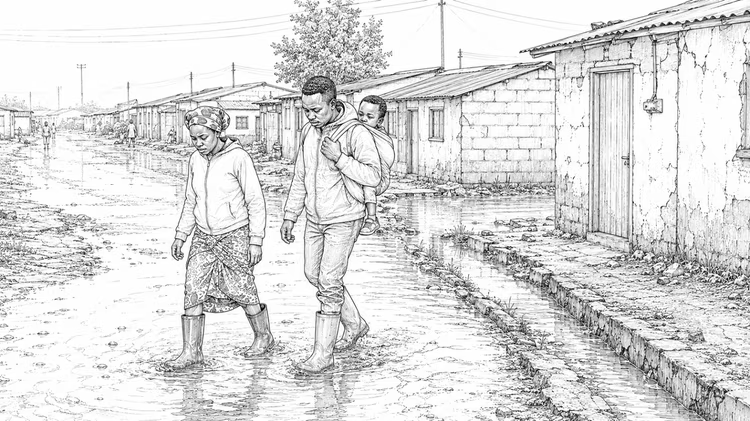
Kanyama
Located just 7.9Km from the Lusaka CBD, Kanyama is a densely populated compound. It is predominantly low-income and faces significant infrastructure challenges, such as drainage, which manifests in floods during the rainy season. Rent might be affordable, and the commute to work might be shorter than most, but safety, drainage and overall convenience might be compromised if you do decide to live here.
Outside Lusaka, the picture is different. In Ndola or Kitwe, K3, 500 still gets you a decent two‑bedroom. In Mongu, it might even secure a whole house. Lusaka’s market, however, has its own inflationary rhythm. At every turn, one is forced to bargain or compromise, high cost for a better and more secure neighbourhood or low cost and deplorable infrastructure.
How to Survive the Rental Market
Using Social Media to Find Houses
Social media has become a practical tool for house hunting. TikTok and Instagram posts often show available houses directly from landlords, cutting out agent fees. Following local hashtags is less about trendiness and more about saving money.
Avoiding Rental Scams and Unofficial Brokers
Agents asking for K200 just to share a landlord’s number are part of the new inflation. It’s a fee for information, not service. It is usually safer to avoid paying simply for contact numbers; if the house is real, you’ll find another way to connect. It is also important to remain cautious of informal brokers who aren’t licensed realtors and are just trying to earn quick cash. Use the right professionals to get value for your money and the right services.
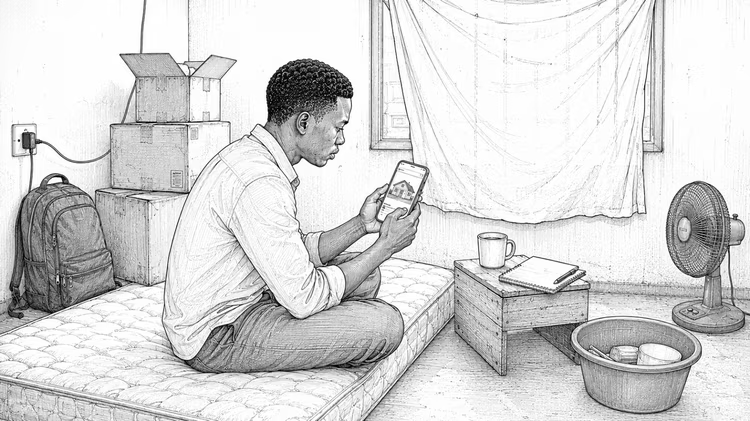
Why Cheap Rent Can Cost More in the Long Run
Think beyond rent. If living in Kabanana saves you K2,000 but costs three hours daily in traffic, the trade‑off may not be worth it. Balance rent against commuting time, fuel, and energy. Sometimes paying more for proximity is the smarter choice.
If you’re eating nshima and soya chunks for the fourth night in a row just to keep up with rent that feels more like a bad loan than a roof over your head, you’re not alone. The housing market has turned everyday survival into a calculation, and everyone is doing the math differently. “Live within your means”, the mantra goes, but how sustainable is that when even the barest of minimums stretches far beyond what your income can support?
Will Housing in Lusaka Become More Affordable?
The Lusaka house hunt is no longer about preference but more about practicality. The past offered more space for less money, while the present demands compromise at every turn. Owning is distant; renting is costly; survival means being strategic.
The guide offered above, although simple, may require tact in practice. One must remain resilient, adaptable and open to compromise as it is the real currency in this evolving real estate landscape.