Is this even a Zambian meal, or are you simply not Zambia enough to recognise it? As years have gone by, our traditional delicacies have slowly been modernised, commercialised, or abandoned altogether. With us leaning heavily towards the fast-food craze, urban kitchens have grown woefully uniform with the same menus: burgers, pizza, fries, and shawarma. Here is a rundown, or refresher course, on some of Zambia’s forgotten traditional meals.
Chilopa - Eastern Province
Made from goat blood, chilopa is a nutrient-rich delicacy from parts of Eastern Province, served with nshima. When a goat is slaughtered, the butcher sinks his knife into its side, around the neck region and collects the blood as it drains. The warm blood then turns into a solid jelly-like consistency, which is prepared like a stew or fried with spices and preferred aromatics. The result is a mouth-watering dish reminiscent of beef liver. Yum.
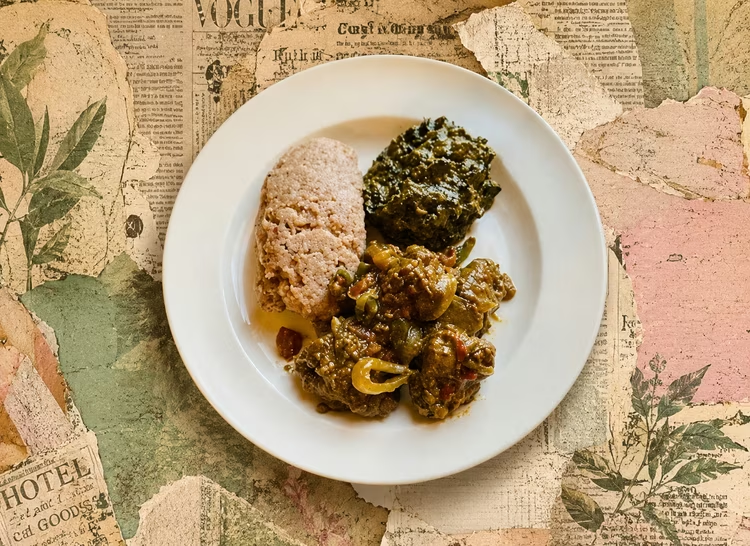
Lusala/ Busala – Southern Province
Lusala is a wild edible tuber indigenous to Zambia and abundant in Southern, Central, and Lusaka Provinces. It is sometimes referred to as wild yam and is a nutrition-packed, high-fibre food often enjoyed as an accompaniment to nshima. If you’re a university student, vegetarian or simply on a budget, you might consider swapping out your soya chunks for some good old-fashioned lusala! Here is how to cook them:
- Wash, peel, and cut the lusala roots into small pieces.
- Boil in salt water for 35 – 45 minutes or until soft.
- Transfer the tender roots into a frying pan with some oil and saute.
- Add chopped vegetables (onion, tomatoes, and green pepper).
- Add some water for gravy and simmer.
Bon Appétit!
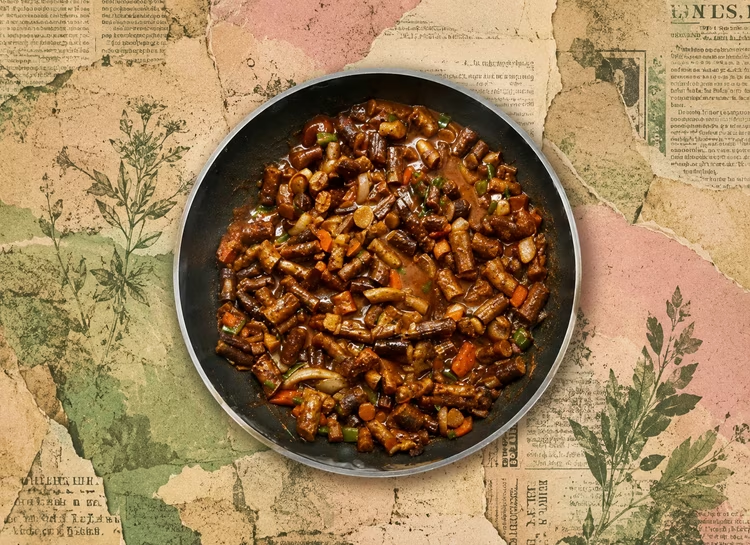
Vidunguza & Groundnuts – Eastern Province & Northern Province
Known as the African horned cucumber, this watery fruit can be enjoyed as is or as a salad. However, many are not aware that in some communities, the peels are also cooked with groundnuts and enjoyed with nshima. The fruit is rich in Vitamin C, Vitamin A, and several B vitamins, making it a fantastic choice for boosting immunity and overall health.
The peels must be thoroughly washed to remove dirt. While not toxic, they are quite tough and bitter; they can be cooked as a nutritious addition to dishes. Below are step-by-step preparation instructions:
- Ingredients: Raw, pounded groundnuts, fresh green African horned cucumber peels, tomatoes, salt, soda, and water.
- Preparation: Boil the peels with some soda for about 15 minutes or until soft. Add tomatoes and cook for another 5 minutes. Add groundnuts and stir to combine. Season with salt to taste. Wait for the sauce to thicken, and you’re done.
No need to wait to attend a chilanga mulilo before you try out this recipe. Get in the kitchen and treat yourself to this delicious traditional meal.
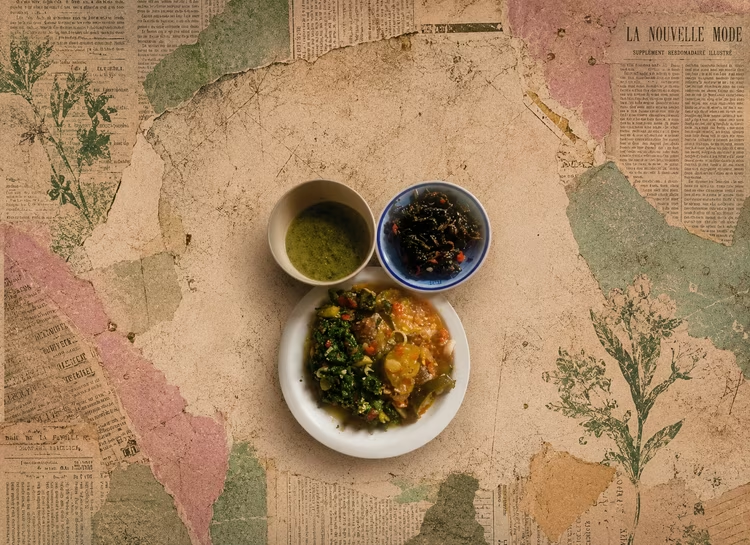
Impwa in Bambara Milk
Another dish quietly disappearing from kitchens is impwa, cooked in Bambara milk, a hearty relish popular in parts of Northern and Luapula Provinces. Impwa, the small bitter African eggplants many children avoid at the dinner table, are boiled, peeled, and simmered in rich Bambara nut milk together with tomatoes and onions. The result is a creamy, earthy dish packed with protein and nutrients that pairs perfectly with hot nshima. While I might still gravitate toward fried chicken and takeaway meals, this traditional combination proves that indigenous ingredients were creating balanced, flavourful meals long before “healthy eating” became fashionable.
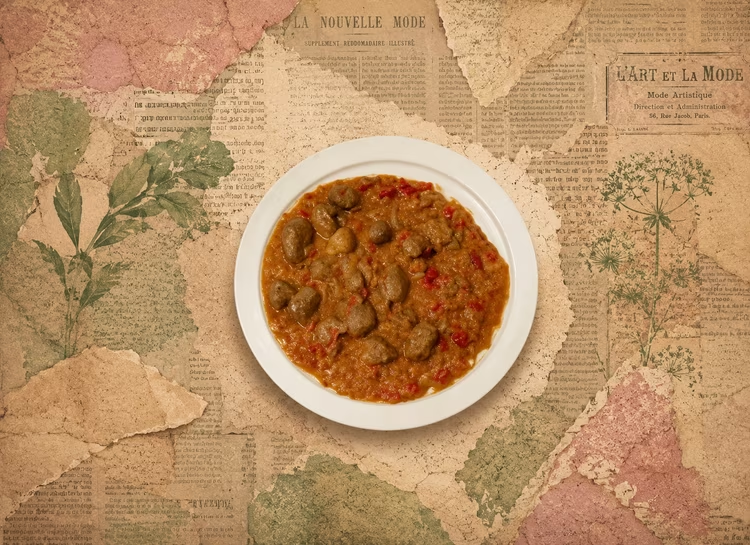
Makondole Relish
Makondole relish is another forgotten staple that deserves a return to the Zambian kitchen. Made from dried pumpkin pieces soaked, boiled, and cooked with pounded groundnuts, tomatoes, and onions, the dish is simple but deeply satisfying. In many rural homes, drying pumpkin ensured that families still had vegetables long after harvest season had passed. The groundnuts add richness while the softened pumpkin develops a smooth texture, almost like a thick stew. It is the sort of meal that reminds one how resourceful traditional cooking methods were before refrigeration and imported foods became the norm.
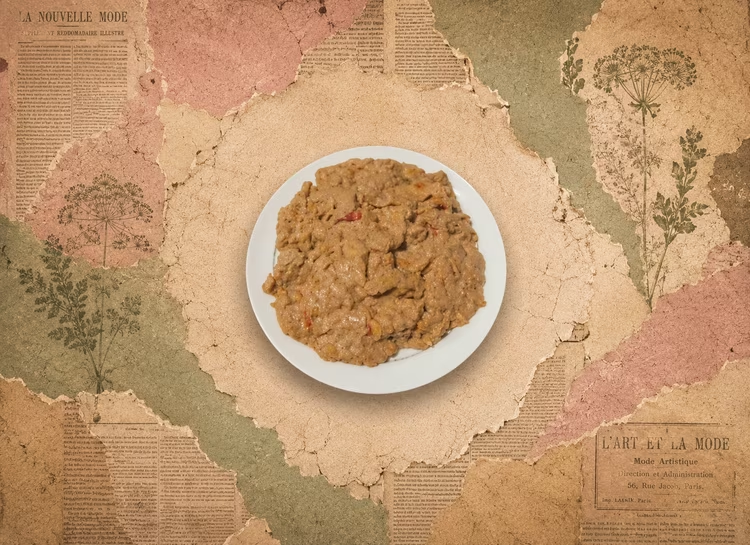
Bambara Sausages
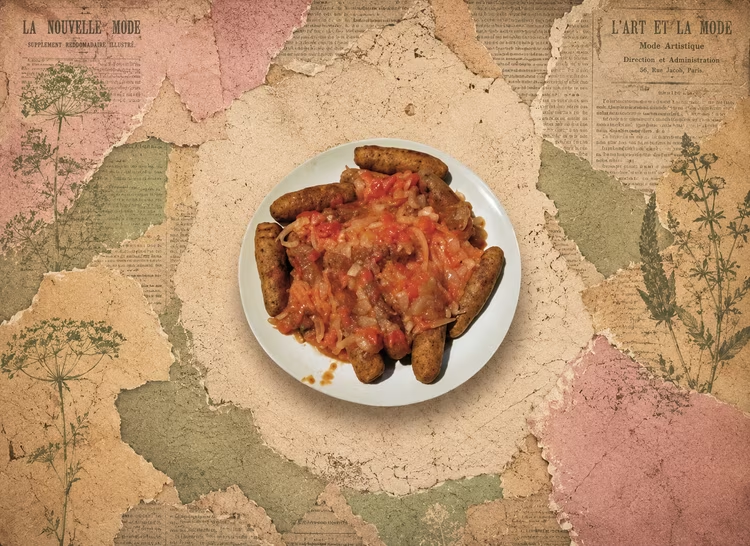
Then there are Bambara sausages, perhaps one of the most creative traditional meals I’ve ever heard of. Prepared from pounded Bambara nuts mixed with onion, curry, and cassava or wheat flour, the mixture is shaped into sausages, fried until golden brown, and simmered in tomato gravy. The dish is rich in protein and surprisingly filling, offering a local alternative to processed sausages found in supermarkets today. In an era where plant-based diets are becoming increasingly popular worldwide, it is ironic that Zambia already had its own version decades ago, yet many people are only now beginning to rediscover it.
Why Traditional Zambian Meals Are Slowly Disappearing
The average modern Zambian has been seduced by convenience. When supermarkets stock easy-to-make instant noodles and frozen pizza, why would one even think of having cassava leaves, which take forever to prepare? Understandable. Although it is worth arguing that ready-mix Zambian meals exist on the market, such as Chikanda mix, which only requires one to add water. Ultimately, it boils down to personal taste, exposure and availability. It’s not every day you come across Barotse Flood Plain Tortoises or Bull Frogs in a city market, and so it would be unfounded to judge the average city dweller for not knowing these hidden gems.
When posed with the question, “Is this even a Zambian meal or are you simply not Zambian enough to recognise it?” It isn’t really about finger-pointing or calling out the “uncultured” but rather about recognising that Zambia is diverse and filled with so many delicacies just waiting to be tried out.